
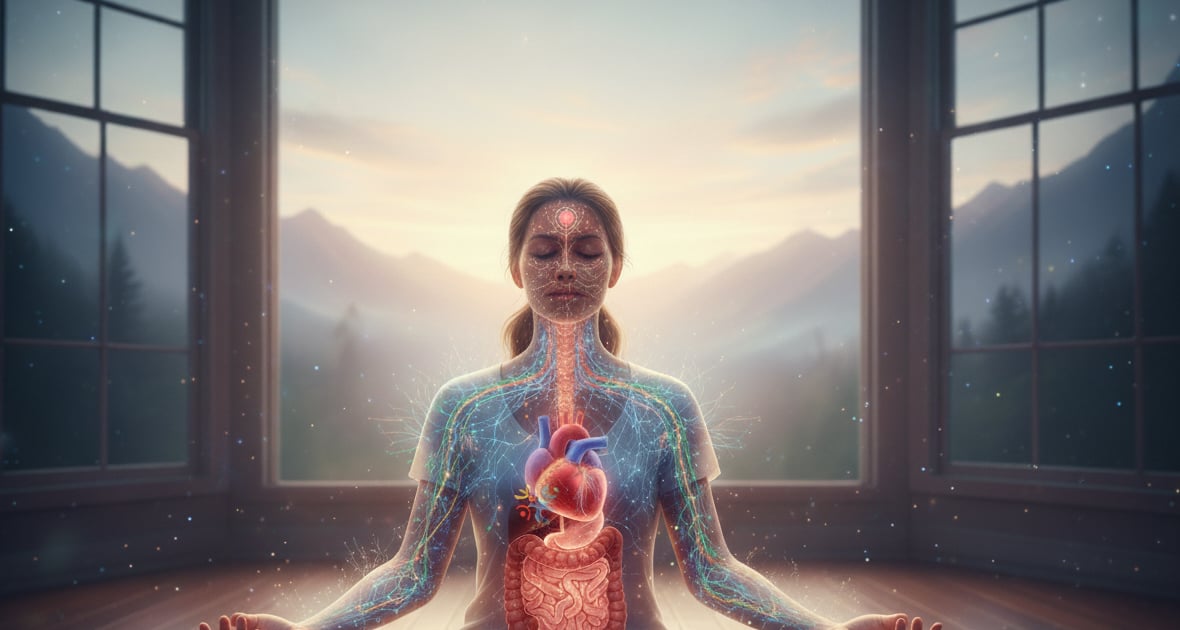
Your mind and body aren’t separate systems. What affects one affects the other, and understanding this connection can transform your approach to health.
How Physical Health Impacts Mental Health
Chronic Illness and Depression
Living with chronic pain, diabetes, heart disease, or other long-term conditions significantly increases the risk of depression and anxiety. The stress of managing illness, limitations on activities, and physical discomfort all take a toll on mental wellbeing.
Sleep and Mood
Poor sleep doesn’t just make you tired—it directly affects mood regulation, stress response, and emotional resilience. Chronic sleep deprivation can trigger or worsen depression and anxiety.
Nutrition and Brain Function
Your brain needs specific nutrients to produce neurotransmitters like serotonin and dopamine. Deficiencies in vitamin D, B vitamins, omega-3 fatty acids, and other nutrients can contribute to mental health symptoms.
Exercise and Mental Health
Physical activity is one of the most effective treatments for mild to moderate depression and anxiety. It reduces stress hormones, increases endorphins, improves sleep, and boosts self-esteem.
How Mental Health Impacts Physical Health
Stress and the Body
Chronic stress and anxiety keep your body in a constant state of alert, leading to:
- High blood pressure
- Weakened immune system
- Digestive problems
- Muscle tension and pain
- Increased inflammation
Depression and Physical Symptoms
Depression often shows up physically through:
- Fatigue and low energy
- Changes in appetite
- Unexplained aches and pains
- Slowed movement or speech
- Weakened immune response
Anxiety and Physical Health
Anxiety can contribute to:
- Cardiovascular problems
- Gastrointestinal issues
- Headaches and migraines
- Weakened immune function
The Importance of Integrated Care
Because mind and body are so interconnected, the most effective healthcare addresses both. This means:
- Screening for depression in patients with chronic illness
- Considering physical health factors when treating mental health conditions
- Addressing lifestyle factors (sleep, nutrition, exercise) as part of mental health treatment
- Coordinating care between mental health and medical providers
Practical Steps
For Better Physical Health:
- Prioritize sleep (7-9 hours for most adults)
- Move your body regularly (even short walks help)
- Eat nutrient-dense foods
- Stay hydrated
- Get regular medical checkups
For Better Mental Health:
- Practice stress management techniques
- Build social connections
- Seek professional help when needed
- Address physical health issues that may be affecting mood
- Consider how lifestyle factors impact your mental state
The Bottom Line
You can’t separate mental health from physical health. They’re two sides of the same coin, constantly influencing each other.
When you take care of your body, you’re also taking care of your mind. When you address mental health concerns, you’re also supporting your physical wellbeing.
At Oasis Health Services, we understand this connection and provide care that addresses both aspects of your health. Because true wellness requires treating the whole person, not just isolated symptoms.